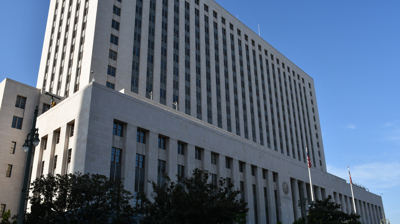
Drug Trafficking Attorney in Torrance
Arrested for Drug Trafficking? Certified Legal Help Is Just a Call Away
Facing drug trafficking charges in Torrance can quickly become overwhelming, especially when the stakes include potential prison time, fines, and long-term consequences. Working with a skilled criminal defense attorney who understands how these cases are handled locally can make a meaningful difference in how your case progresses.
At Law Offices of J. Patrick Carey, we approach every case with a detailed strategy rooted in experience and preparation. Our background handling serious narcotics cases allows us to evaluate the prosecution’s evidence, identify weaknesses, and build a defense that reflects what actually happened—not just what is written in a police report. These cases often fall under broader drug crimes defense strategies, requiring careful analysis of both legal and factual issues.
By utilizing state-of-the-art technology and keeping abreast of current legal developments, our firm ensures that your defense is as compelling as it is legally sound.
When we defend someone accused of drug trafficking in Torrance, we start by gathering every available police report, search warrant, lab result, and body-camera recording so we can see the case from the prosecutor’s perspective and from yours. We then compare what is in the paperwork with what actually happened during the investigation, including the conduct of local agencies such as the Torrance Police Department or regional task forces that may have participated in the arrest.
Trust a drug trafficking attorney in Torrance with elite credentials and insider prosecutorial knowledge. We’re Certified Criminal Law Specialists. Get your consultation today by calling (310) 695-1118 or reaching out online.
Understanding Drug Trafficking Laws in California
In California, "drug trafficking" is not defined by a single statute. Instead, it is a broad term that encompasses various offenses related to the illegal sale, transportation, importation, manufacturing, or distribution of controlled substances. These laws are primarily found in the California Health and Safety Code (HSC).
The severity of the charge and its penalties depend heavily on:
- The schedule/type of controlled substance
- The quantity (aggregate weight) of the substance
- The nature of the conduct
- Prior criminal history
- Aggravating factors such as sales to minors, sales near schools, or involving violence or weapons.
Some cases may overlap with other offenses, including drug possession charges or manufacturing-related allegations. Understanding how these charges interact is critical when evaluating the strength of the case against you.
Because law enforcement in Los Angeles County routinely works with regional narcotics units, a single incident can be charged under several different code sections at once. We help you understand whether the allegations involve possession for sale, transportation, or manufacturing, and what evidence the prosecution believes supports each theory. By breaking down the statutes into plain language and showing you how they apply to your specific police reports, we give you the information you need to make informed decisions about how to move forward with your case.
Key California Drug Trafficking Statutes:
- Possession for Sale of a Controlled Substance (HSC § 11351 and § 11378): This is one of the most common drug trafficking charges. It is illegal to possess (actual or constructive) a controlled substance with the specific intent to sell it. This applies to drugs like cocaine, heroin, opium, peyote, and certain prescription drugs (HSC 11351), or methamphetamine, ecstasy, and other non-narcotics (HSC 11378). The prosecution does not need to prove an actual sale occurred.
- Sale or Transportation of a Controlled Substance (HSC § 11352 and § 11379): This is another core drug trafficking statute. It prohibits transporting, importing, selling, furnishing, administering, or giving away certain controlled substances, or offering or attempting to do any of these acts.
- Drug Manufacturing (HSC § 11379.6): This felony prohibits manufacturing, compounding, converting, producing, or preparing a controlled substance. This can involve operating a clandestine drug lab or cultivating large quantities of marijuana for sale.
Many cases in the South Bay begin with what seems like a simple traffic stop on the 405 or 110 freeways and quickly turn into sale or transportation allegations under these code sections. We examine the specific statute you are charged under, the quantity and type of substance alleged, and any sentencing enhancements, then explain how judges in Torrance typically view similar cases so you are not left guessing about the potential consequences.
Federal Drug Trafficking Charges
It is crucial to understand that many drug trafficking offenses investigated in California, particularly those involving large-scale operations, interstate commerce, or significant quantities of controlled substances, can also fall under federal jurisdiction. Federal penalties are often even more severe than state penalties, carrying lengthy mandatory minimum sentences under federal law.
When federal charges are involved, your defense may fall under federal drug crimes defense, requiring a different legal approach and a thorough understanding of federal procedures.
Examples of key federal statutes include:
21 U.S.C. § 841: Prohibits manufacturing, distributing, or possessing with intent to manufacture or distribute a controlled substance.
21 U.S.C. § 846: Prohibits conspiracy to commit drug offenses.
21 U.S.C. § 952: Prohibits importation of controlled substances.
If you are facing federal charges, a drug trafficking attorney in Torrance must be well-versed in both state and federal criminal law and procedure.
Federal investigations often involve agencies such as the DEA, Homeland Security, or multi-agency task forces working out of the Central District of California. When a case is filed in federal court, the procedures, timelines, and potential sentencing exposure are very different from those in the Torrance courthouse, and we walk you through those differences from the first meeting. We review any wiretaps, informant statements, or surveillance used in the investigation and look for issues that may support suppression motions or negotiations for reduced charges.
Penalties and Collateral Consequences of Drug Trafficking Convictions in California
A conviction for drug trafficking in California carries severe and life-altering penalties, extending far beyond incarceration. The impact can be devastating to every aspect of your life.
Direct Penalties (California State Felony):
Prison Time: Ranging from 16 months (for some lower-level possession for sale) to 5 years (for many sale/transportation offenses), to 9 years (for cross-county transport), to decades or even life imprisonment for charges with quantity enhancements, prior "strikes," or involving violence.
"Strike" Offense: Many drug trafficking offenses are considered "serious felonies" (PC 1192.7(c)) or "violent felonies" (PC 667.5(c)) and therefore count as "Strikes" under California's Three Strikes Law. This significantly increases future felony sentences and can lead to 25 years to life in prison for a third strike.
Mandatory Minimum Sentences: Large quantity enhancements (for example, very high weights of cocaine or heroin) can add many years of mandatory prison time.
Fines: Up to $20,000 for standard trafficking convictions (HSC 11352/11379). However, with enhancements, fines can increase significantly, potentially reaching millions of dollars.
Probation/Formal Probation: While possible in some cases instead of state prison, it often involves a period in county jail (up to one year) and strict conditions, including drug counseling, regular drug testing, and reporting to a probation officer.
In addition to these sentencing ranges, judges in Los Angeles County look at factors such as your background, employment history, and willingness to participate in treatment when deciding whether probation or alternative programs are appropriate. We gather letters of support, school or work records, and any documentation of counseling or rehabilitation so the court has a complete picture of you as a person, not just a case file. Presenting this information in a structured way can make a meaningful difference in the length and conditions of any sentence that is imposed.
Direct Penalties (Federal Level):
Mandatory Minimum Prison Sentences: Many federal drug trafficking offenses carry mandatory minimum prison sentences that can range from 5, 10, or 20 years, or even life imprisonment, depending on the drug type, quantity, and prior convictions.
Fines: Can reach hundreds of thousands or millions of dollars.
Asset Forfeiture: Federal law allows for the seizure of assets (money, vehicles, real estate, bank accounts, drug proceeds, or property used to facilitate the crime). This can lead to significant financial hardship.
On top of prison and financial penalties, a drug trafficking conviction can affect immigration status, professional licenses, student loans, and housing opportunities. We discuss these collateral consequences with you early in the case so that any negotiation strategy takes into account what matters most to you, whether that is avoiding deportation, preserving a career credential, or protecting a business. By planning for these long-term effects from the outset, we are better positioned to pursue resolutions that protect more than just the immediate outcome in court.

CASE RESULTS
SEE HOW WE'VE HELPED OTHER PEOPLE IN YOUR SHOES
-
Charges Dismissed Battery
-
Case Dismissed Battery
-
Reduced Bail Bail
-
Charges Reduced Attempted Murder
-
Misdemeanor Plea, No Custody Time Assault with Injury (felony potential)
-
Probation Terminated Absconding from Probation
Navigating the Torrance Court System
The Torrance courthouse is where many state drug trafficking cases are prosecuted. Familiarity with local law enforcement practices and court processes is crucial for anyone facing serious narcotics charges.
Our close ties within the legal community can facilitate smoother negotiations and potentially favorable outcomes. We understand how local perspectives and procedural nuances can impact your case, ensuring we are always prepared to advocate vigorously on your behalf.
When we represent someone in the Torrance courthouse on a trafficking allegation, we explain what will happen at each stage: the arraignment, pretrial conferences, motion hearings, and any trial dates that may follow. We discuss how local judges tend to handle bail, what probation officers often recommend in similar cases, and how prosecutors in this building typically evaluate offers. By preparing you for what to expect before each appearance, we reduce uncertainty and help you feel more in control of a stressful situation.
Comprehensive Defense Strategies
Every drug trafficking case in Torrance comes with its unique challenges. We commit to providing a robust defense strategy that could include questioning the legality of search and seizure, challenging the credibility of evidence, and exploring plea bargains when appropriate. Our thorough approach aims to protect your rights and freedom at every stage.
Our defense strategies are multifaceted, and we tailor our approach to the specific circumstances of your case. This can involve utilizing forensic experts to question drug testing methods or employing private investigators to uncover mitigating evidence. Our comprehensive approach ensures that no stone is left unturned in the pursuit of justice and the preservation of your rights.
- Legal Challenges: Identifying weaknesses in the prosecution’s case is essential for a strong defense.
- Case Evaluation: We conduct thorough assessments to tailor strategies that cater specifically to your situation.
- Plea Bargains: When beneficial, we negotiate pleas designed to minimize penalties.
In building a defense, we often start by challenging how law enforcement in Torrance or elsewhere in Los Angeles County obtained the evidence, including whether there was a lawful basis for the traffic stop, search warrant, or detention. We may seek to suppress drugs, money, or statements that were obtained in violation of your constitutional rights, which can dramatically weaken the prosecution’s case. At the same time, we review potential alternative resolutions such as reductions from sales charges to simple possession, treatment-based options, or other negotiated outcomes that can reduce exposure and help you move forward.
Why Choose Law Offices of J. Patrick Carey for Drug Trafficking Defense in Torrance
Clients choose us for our courtroom experience, critical insights from Pat Carey’s previous role as Deputy District Attorney, and our commitment to working toward the best possible resolutions. Our 24/7 availability ensures you have the support and guidance you need at all times from a dedicated drug trafficking lawyer in Torrance.
Our firm prides itself on offering personalized legal services tailored to the unique needs and circumstances of each client. Pat Carey's understanding of both prosecutorial and defense perspectives equips us with the insight necessary to strategically navigate your case in the challenging legal landscape of Torrance.
When you work with us on a trafficking case, you have direct access to the attorney handling your matter, not layers of staff or distant voicemail boxes. We return calls and emails promptly, keep you updated after each court date, and make sure your questions are answered in clear, straightforward language. We know that many of our clients have never set foot in a criminal courtroom before, and we view part of our role as guiding you and your family through a system that can otherwise feel confusing and intimidating.
What To Do After a Drug Trafficking Arrest in Torrance
The hours and days after a drug trafficking arrest in Torrance can feel chaotic, and the choices you make during this period can have a direct impact on your case. Taking a few deliberate steps can help protect your rights and avoid mistakes that prosecutors later try to use against you. By acting quickly and focusing on what you can control, you give your defense team more tools to work with when the case reaches the Torrance courthouse.
Your first priority is to remain calm and exercise your right to remain silent. You are not required to answer questions about where you were going, who you were with, or where the substances came from, and you can clearly state that you want to speak with a lawyer before any conversation continues. You should also avoid discussing details of the arrest or the investigation over the phone from jail, because those calls are almost always recorded and can be reviewed later by the prosecution.
As soon as you are able, contacting legal counsel allows important evidence to be preserved while it is still fresh. Phone records, text messages, rideshare logs, and surveillance footage from gas stations or businesses in the South Bay area can disappear quickly if no one is actively working to secure them. We also encourage you to write down your memory of the events leading up to the arrest, including the time of day, the location of any search, and exactly what officers said and did, so we can compare that account with what appears in the police reports.
Family members can also play a productive role by gathering basic information about the arrest location, the agency that conducted the stop, and where you are being held. This helps us quickly determine whether the case is likely to be filed in state court in Torrance or referred for possible federal review. By coordinating these steps early, we can begin preparing for the arraignment, working on bail issues, and planning the next moves in your defense.
How We Build a Defense in Drug Trafficking Cases
When you hire a drug trafficking attorney in Torrance, you want to know exactly what they will do with your case, not just hear abstract promises. We follow a deliberate, step-by-step process that allows us to evaluate the strength of the evidence, identify legal issues, and develop a strategy that fits your goals and risk tolerance. This process draws on courtroom experience in thousands of criminal matters, including many narcotics cases in Los Angeles County.
Our work typically begins with a thorough review of all discovery, including police reports, laboratory analyses, photographs, and any digital evidence such as GPS data or cell phone extractions. We compare these materials with your description of events to locate inconsistencies, unexplained gaps, and signs that officers may have exceeded the scope of a warrant or detention. When necessary, we consult with independent forensic professionals to evaluate the reliability of drug testing, the accuracy of weight measurements, or the way law enforcement handled and stored the substances that were seized.
After we understand the evidence and potential weaknesses, we sit down with you to discuss realistic objectives, whether that is pursuing dismissal, preparing for trial, or exploring resolutions that reduce exposure and collateral consequences. We file appropriate motions, such as motions to suppress evidence or to disclose information about informants, and use those hearings to narrow the issues in dispute. Throughout this process, we keep you informed about negotiations with the prosecution and invite your input before any major decision is made, so the direction of the case reflects your priorities as well as our legal assessment.
Frequently Asked Questions
Will I Have To Go To Jail While My Drug Trafficking Case Is Pending?
Whether you remain in custody while your case is pending depends on several factors, including the specific charges, your prior record, and how the judge evaluates any risk to the community. In many cases, the court will consider bail, release on bond, or supervised release conditions as alternatives to staying in jail. A lawyer can present information about your ties to the area, employment, and family responsibilities to support a request for the least restrictive conditions possible.
How Long Do Drug Trafficking Cases in Torrance Usually Take?
The timeline for a drug trafficking case can range from a few months to a year or more, depending on the complexity of the evidence and whether the case is resolved through negotiation or goes to trial. Cases involving wiretaps, multiple defendants, or large quantities of substances often require more time for both sides to review discovery and litigate pretrial motions. Courts also have their own scheduling practices, which can affect how quickly hearings and trial dates are set.
Can Drug Trafficking Charges Ever Be Reduced or Dismissed?
Charges can sometimes be reduced or dismissed if there are significant legal issues, evidentiary problems, or mitigating circumstances that the prosecution and court are willing to consider. Examples include unlawful searches, unreliable witness statements, or questions about who actually controlled the substances at issue. The likelihood of a reduction or dismissal depends on the facts of each case and how the law applies to those facts.
What Is the Difference Between Possession for Sale and Simple Possession?
Simple possession generally refers to having a controlled substance for personal use, while possession for sale alleges that the drugs were held with the intent to sell them to others. Prosecutors look at factors such as packaging, scales, large amounts of cash, and text messages to argue that someone intended to sell rather than use the substances. The potential penalties for possession for sale are much more severe than for simple possession.
Contact Us for a Strong Defense
Facing drug trafficking charges can feel overwhelming, but Law Offices of J. Patrick Carey is here to offer clarity and robust defense strategies tailored to Torrance's legal environment. With our blend of experience and personal dedication, you'll be fully supported throughout the legal process.
We encourage you to reach out for a consultation to learn how we can work together to defend your future and freedom. Call us at (310) 695-1118 to start crafting your defense today.


Stay In The Know

-
 Key Factors in Federal White-Collar Crime InvestigationsCriminal Defense , Federal CrimesRead Article
 -
Attorney Pat Carey Issues Statement Regarding Former Representation of Brian HickersonRead Article
-
Facing White-Collar Charges? Here’s What to ExpectCriminal DefenseRead Article
-
How Do Prosecutors Use Digital Evidence in Cybercrime Cases in Southern California?Computer Crime, Criminal DefenseRead Article
-
When a Teen’s Online Prank Leads to Legal TroubleCriminal Defense , Juvenile CrimesRead Article
-
Attorney J. Patrick Carey Quoted in LA Times on Hermosa Beach Teen Assault CaseRead Article